
.BhuR3eRb_SjpqF.webp)
Professional Air Conditioning Repair and Installation in Whitewright, TX
Request Service
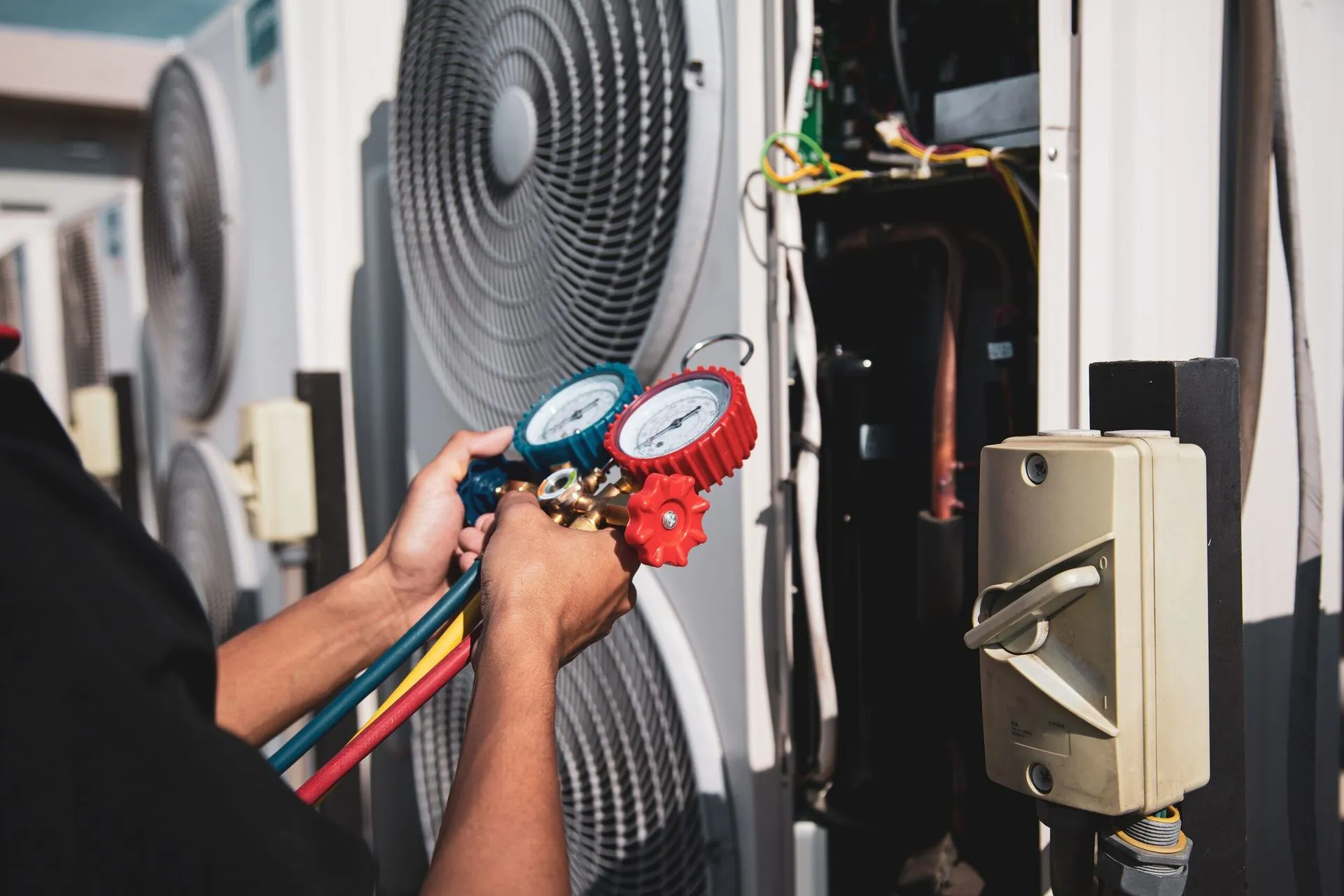
AC Service for Whitewright’s Mix of Homes
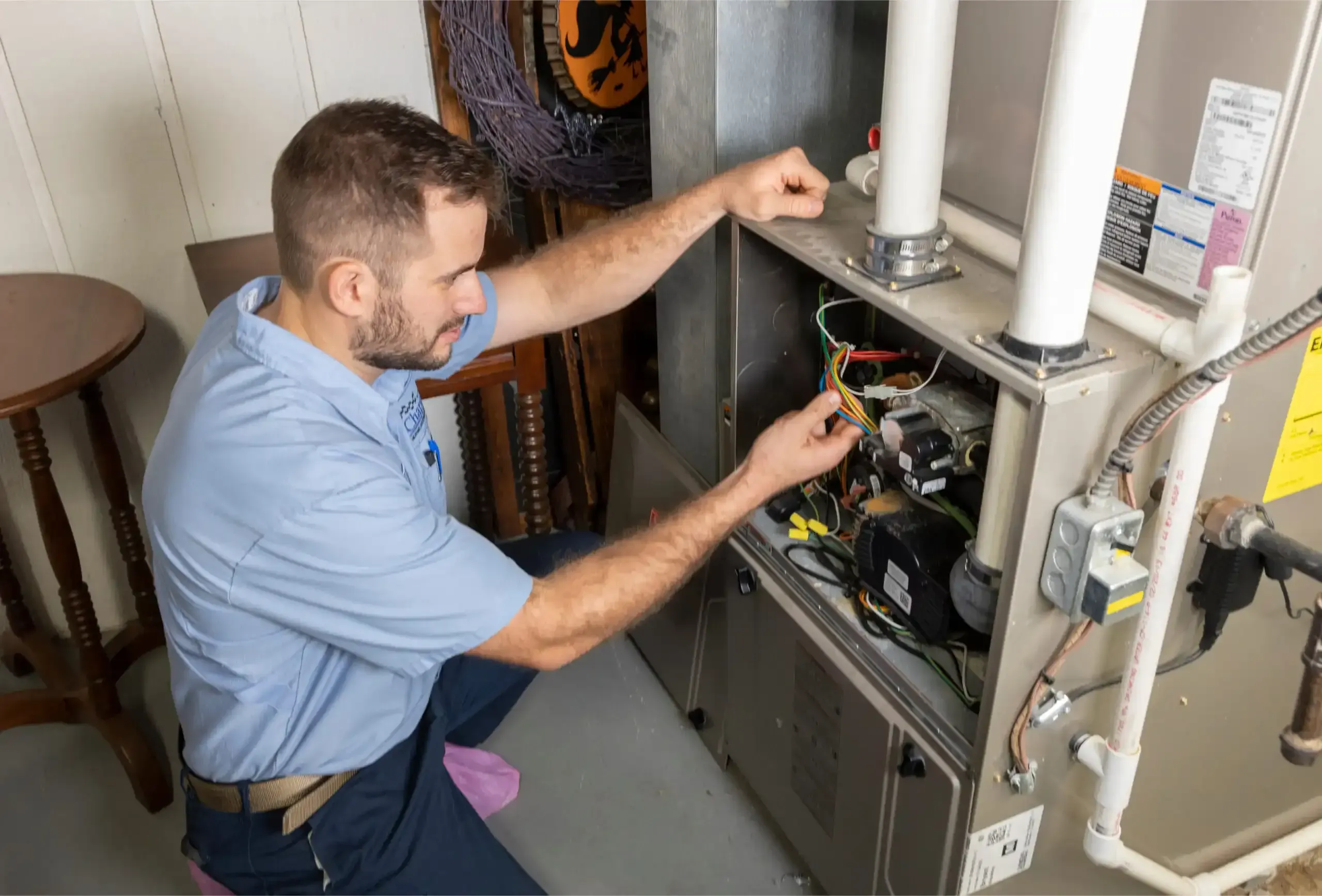
What Whitewright Summers Actually Do to Your AC System
Balancing Repairs vs. Upgrades in Older Systems
This is usually where decisions get tricky.
We evaluate what’s working, what’s wearing down, and where targeted upgrades make sense. In many cases, a well-planned air conditioning repair can stabilize comfort and extend system life. In others, small improvements only delay the inevitable. Our role is to help you understand which situation you’re dealing with.
What the Duck Pond Area Tells Us About Your AC Load
-475h.Bq-xILRy_Z2cMJ3.webp)
Central Air Installation for Homes Being Updated
Our central air conditioning installation services are designed to fit homes that are evolving, not starting from scratch. Whether it’s a first-time air conditioning installation or replacing an outdated setup, we look at airflow, duct condition, and capacity to make sure the system supports the way the home functions now.

How Whitewright's Older Home Stock Shapes Every AC Job We Do
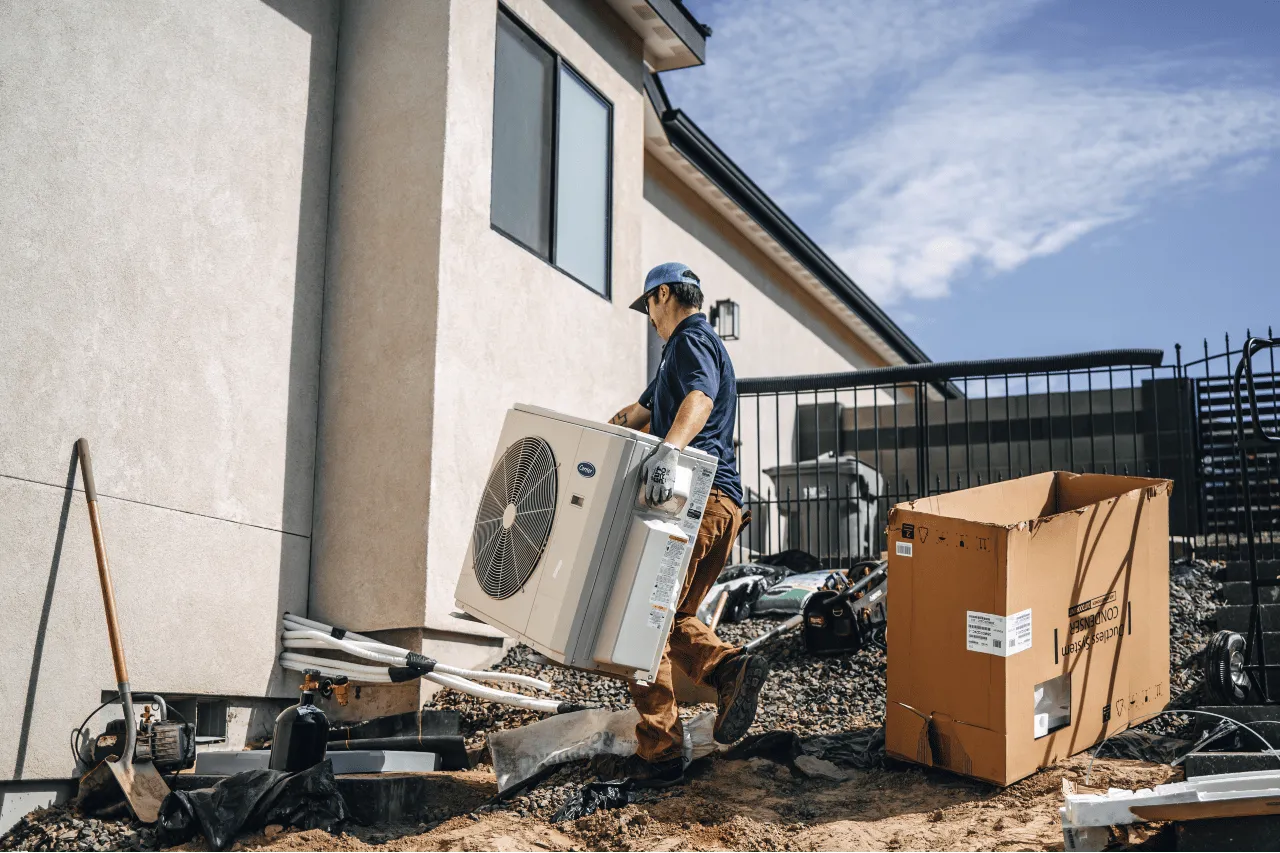
AC Replacement That Improves Comfort Without Overbuilding
When an air conditioning replacement or AC unit replacement is needed, the goal isn’t to install the largest system available — it’s to install the right one. Oversized systems can cause uneven temperatures, excess cycling, and unnecessary wear.
We focus on matching system capacity to the home so comfort improves without creating new issues. That balanced approach helps systems last longer and perform more consistently.

6 Signs Your Whitewright AC Is Near the End
Seeing one of these doesn’t always mean immediate replacement — but seeing several usually means it’s time to plan ahead.

Compressor & Condenser Repairs That Buy You Time
We inspect these components carefully to determine whether repairs are a smart investment or just a temporary fix. Knowing the difference helps homeowners avoid throwing money at systems that are already nearing the end.
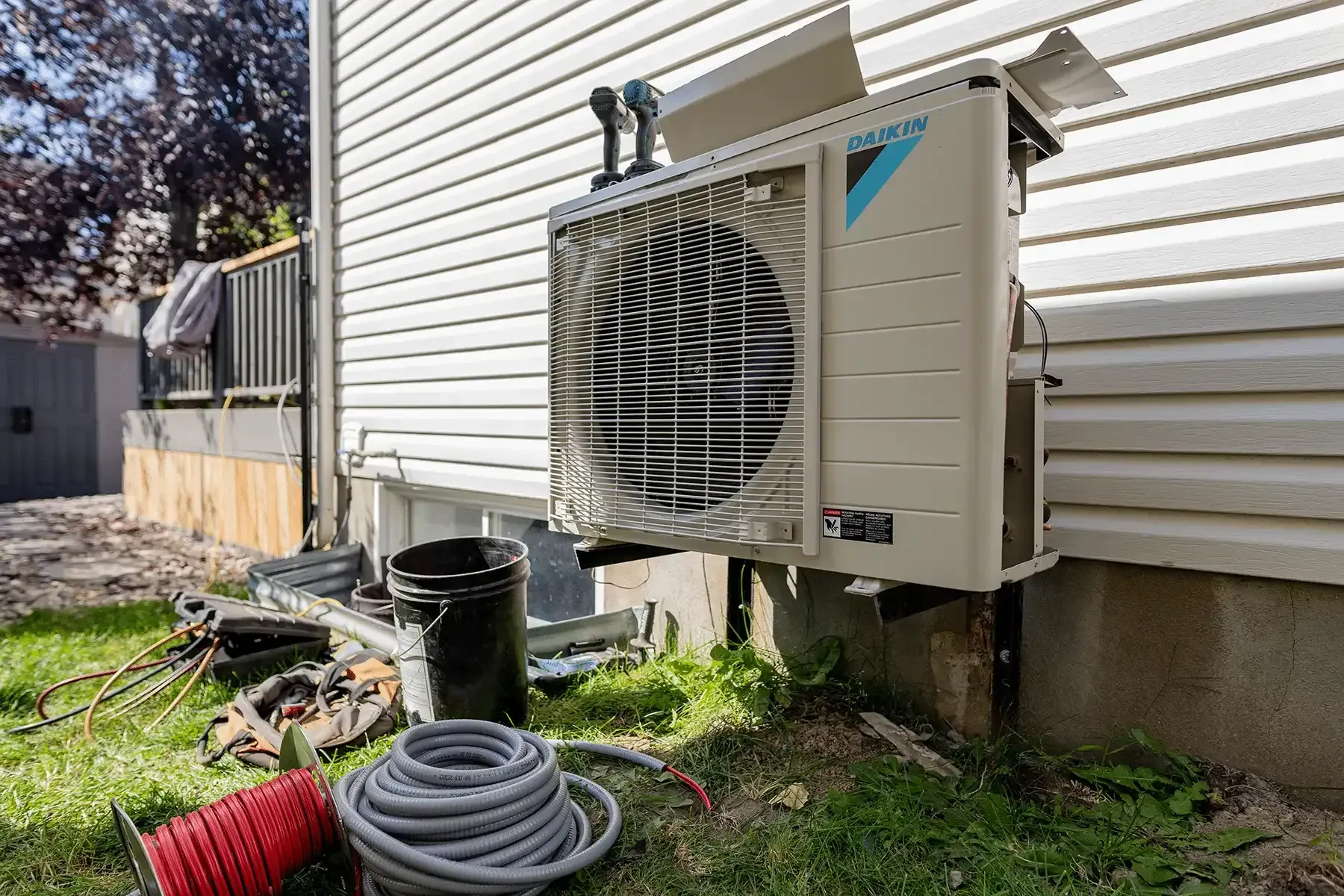
Ductless Mini Splits for Hard-to-Cool Rooms
That’s where ductless mini split installation can help. Ductless systems provide targeted comfort for specific areas without changing the entire system. For many Whitewright homes, they’re a practical way to solve isolated comfort problems.

Seasonal Maintenance for Consistent Performance
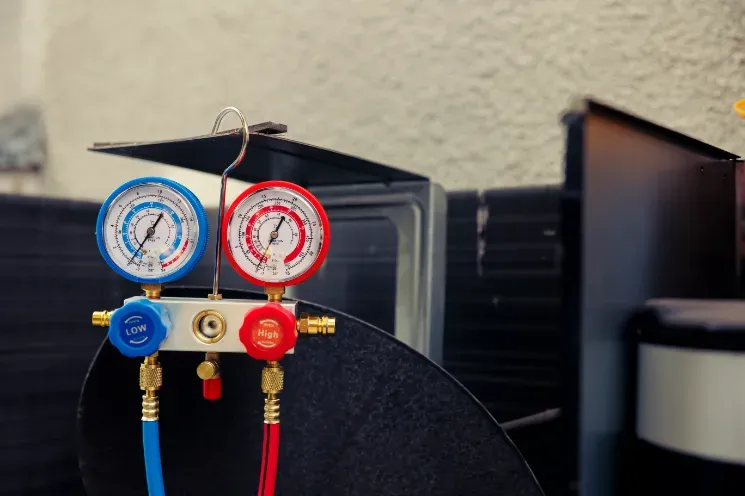
An annual air conditioning tune up allows us to check key components, verify refrigerant levels, and ensure airflow isn’t restricted. Maintenance won’t stop every repair, but it often prevents the kind of problems that show up when systems are under the most stress.

How Blackland Prairie Clay Soils Affect AC Performance in Whitewright
How Seasonal Use Patterns in Whitewright Affect AC Systems
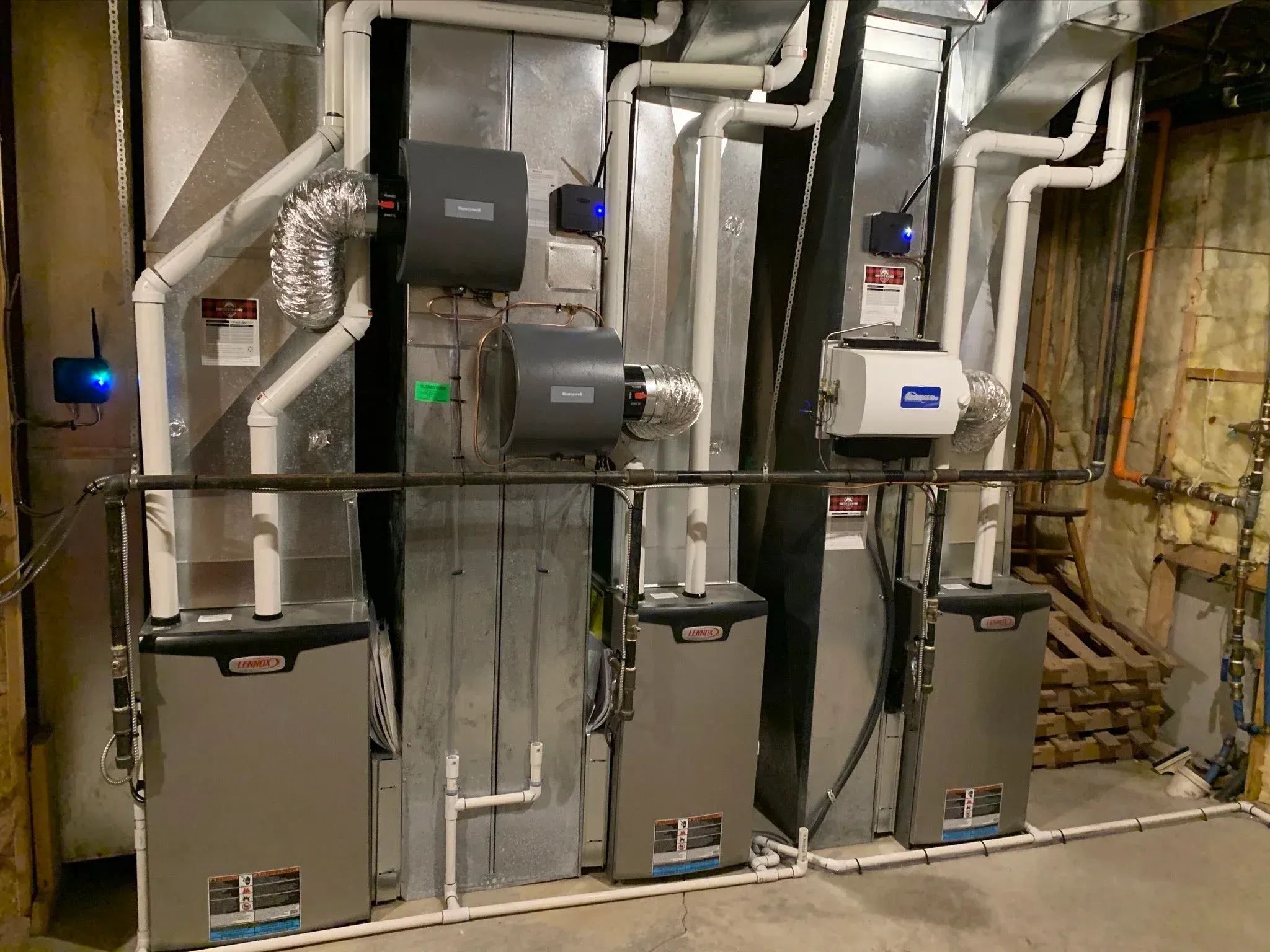
We often find that components wear unevenly because the system isn’t running at the same intensity year-round. Electrical connections loosen, airflow restrictions develop slowly, and refrigerant levels drift just enough to impact performance when temperatures climb.
This is why regular air conditioning maintenance matters here. A properly timed air conditioning tune up helps catch these changes before they turn into reduced cooling or unexpected repairs during peak summer conditions.
Tiger Stadium Nights and What They Mean for Home Cooling
Why Andrew Smith HVAC Services Fits Whitewright Homes
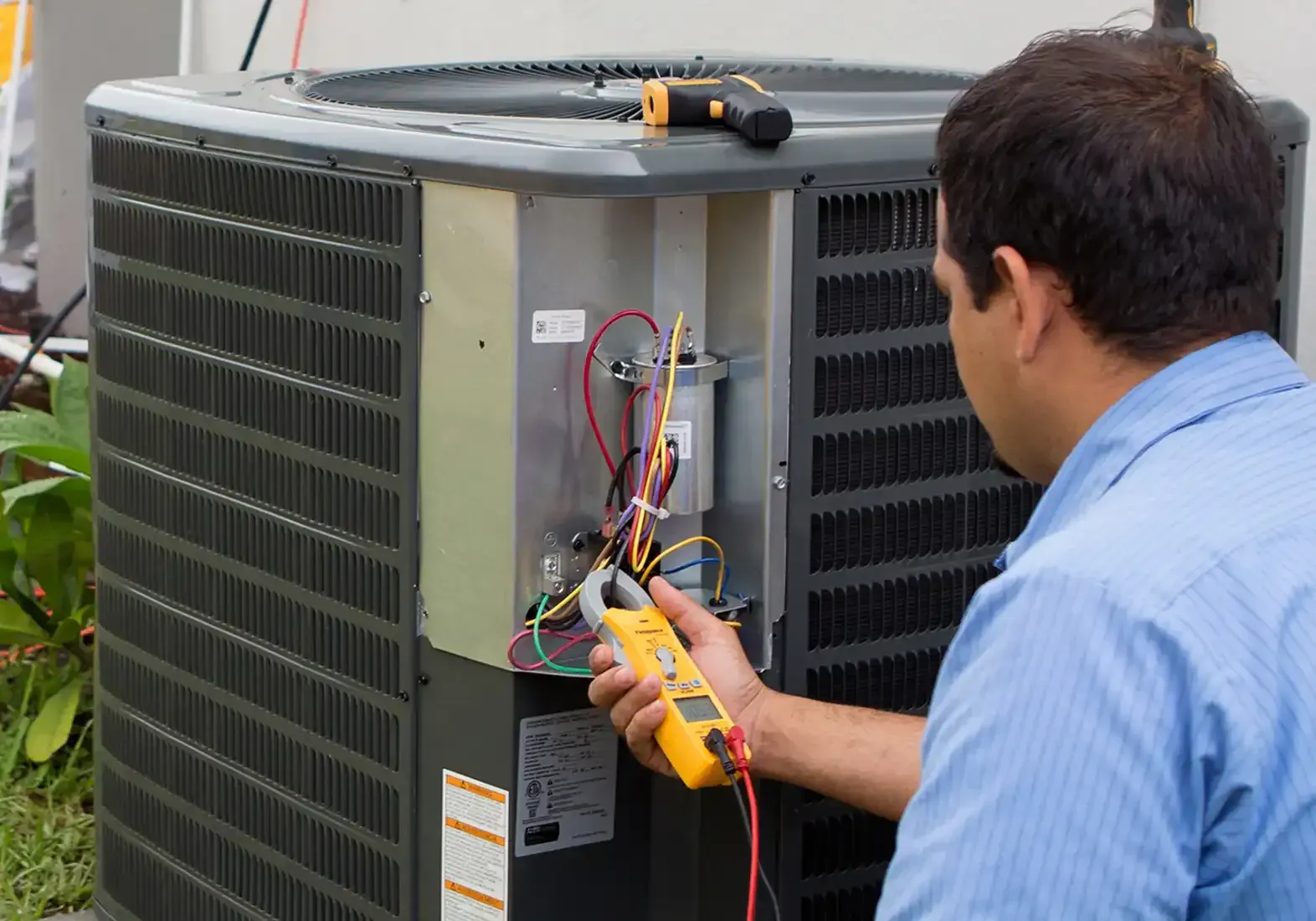
At Andrew Smith HVAC Services , we’re used to working with that variety. From straightforward air conditioning repair to installation, maintenance, and replacement, we take a measured approach that respects both the home and the homeowner. The goal is dependable comfort that fits the property, not forcing a one-size solution.
Why Whitewright Homeowners Trust Smith HVAC Services
A Steady Approach That Matches How Homes Are Maintained Here
That mindset aligns with how we work.
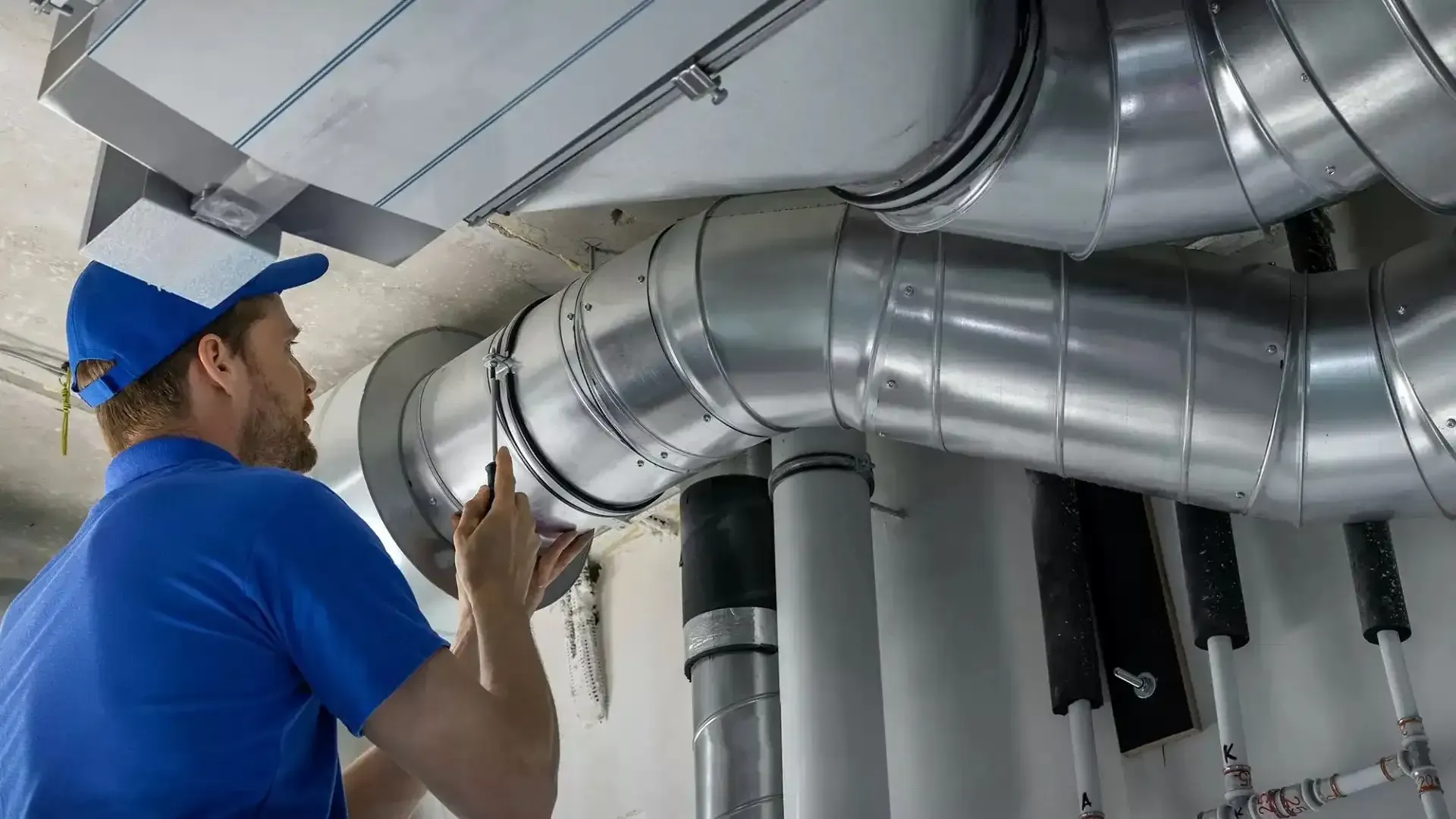
At Andrew Smith HVAC Services, we don’t push quick fixes or oversized solutions. We take time to understand how the home has been updated over the years and how the AC system fits into that picture today. Whether it’s routine air conditioning maintenance, a targeted repair, or planning ahead for replacement, our recommendations are based on what the home actually needs right now.
That steady approach is what helps systems perform better — and helps homeowners feel confident about the work being done.
Serving the Farms and Rural Routes Around Whitewright
Rural Properties Near Bois d'Arc Creek Bottom Run Different
Schedule AC Service in Whitewright, TX
Schedule your air conditioning service today with Andrew Smith HVAC Services.We’ll evaluate your system and recommend options that make sense for your Whitewright home.
Whitewright AC FAQs
My house is near the Duck Pond Park area and my back bedroom never cools down — is that a Whitewright thing or a system problem?
It's usually both working together. Homes in that part of town along the old railroad corridor frequently have duct layouts that were sized for a different era, and the rooms at the far end of the run — almost always a back bedroom — end up 5 to 7 degrees warmer than the thermostat reads. The western sun exposure on those blocks doesn't help either. We'd look at duct condition and return sizing before recommending any equipment changes, because a new unit paired with the original ductwork won't fix the room.
Every spring it seems like something breaks on my AC right around when Whitewright High lets out for summer — is that just bad luck?
It's not luck, it's the April-through-June stress window that hits Grayson County hard. The storm systems that track through off Highway 69 bring rapid humidity swings and pressure drops that cycle your compressor and strain capacitors in ways steady summer heat doesn't. We see more capacitor failures in Whitewright between April and June than almost any other time of year. Scheduling a system check before Memorial Day weekend is the most reliable way to avoid a two-day wait in August when every tech in the county is already booked.
We're out on a rural route toward Savoy and our condenser sits in full southwestern sun all day — does that actually shorten how long the unit lasts?
Yes, and the debris load compounds it. Rural properties outside the city limits accumulate cottonwood seed, field dust, and prairie grass in condenser coils at a rate that in-town units don't come close to matching. Full southwestern sun on a pad with no shade tree nearby means the unit is rejecting heat in the worst possible conditions. We recommend cleaning the coil and checking refrigerant charge annually for properties like yours — and because a breakdown on a working rural household isn't a minor inconvenience, we also prioritize service calls on those routes toward Tom Bean and Trenton.
Our property sits in a low spot near Bois d'Arc Creek and the house smells musty when the AC first kicks on in the morning — what's causing that?
Low-lying land in this part of Grayson County holds humidity in a way that accelerates microbial growth inside air handlers and on evaporator coils. If your property is in a slight draw or has heavy vegetation close to the house, the moisture load your system handles is genuinely higher than what most Whitewright homes deal with. That morning smell is usually coil or drain pan contamination. A coil cleaning and condensate drain inspection typically resolves it, and we'd also check whether your current system is properly sized for the added latent load your lot creates.
The newer house we bought on the west side of town near Mayor Bill Goodson Children's Park has high ceilings and an open floor plan and it still doesn't cool evenly — shouldn't newer construction cool better?
Newer construction on that side of Whitewright tends to have well-sealed envelopes, which is good, but open floor plans with high ceilings create their own challenge: the air handler and zoning have to be matched correctly or you end up with hot pockets near the ceiling and uneven temperatures room to room. It's a sizing and airflow design problem, not a symptom of a failing system. We don't quote solutions over the phone for situations like this because the ceiling height, the return placement, and the square footage of each zone all factor into what actually fixes it.