.BhuR3eRb_SjpqF.webp)
Air Conditioning Repair in Whitewright, TX
Request Service
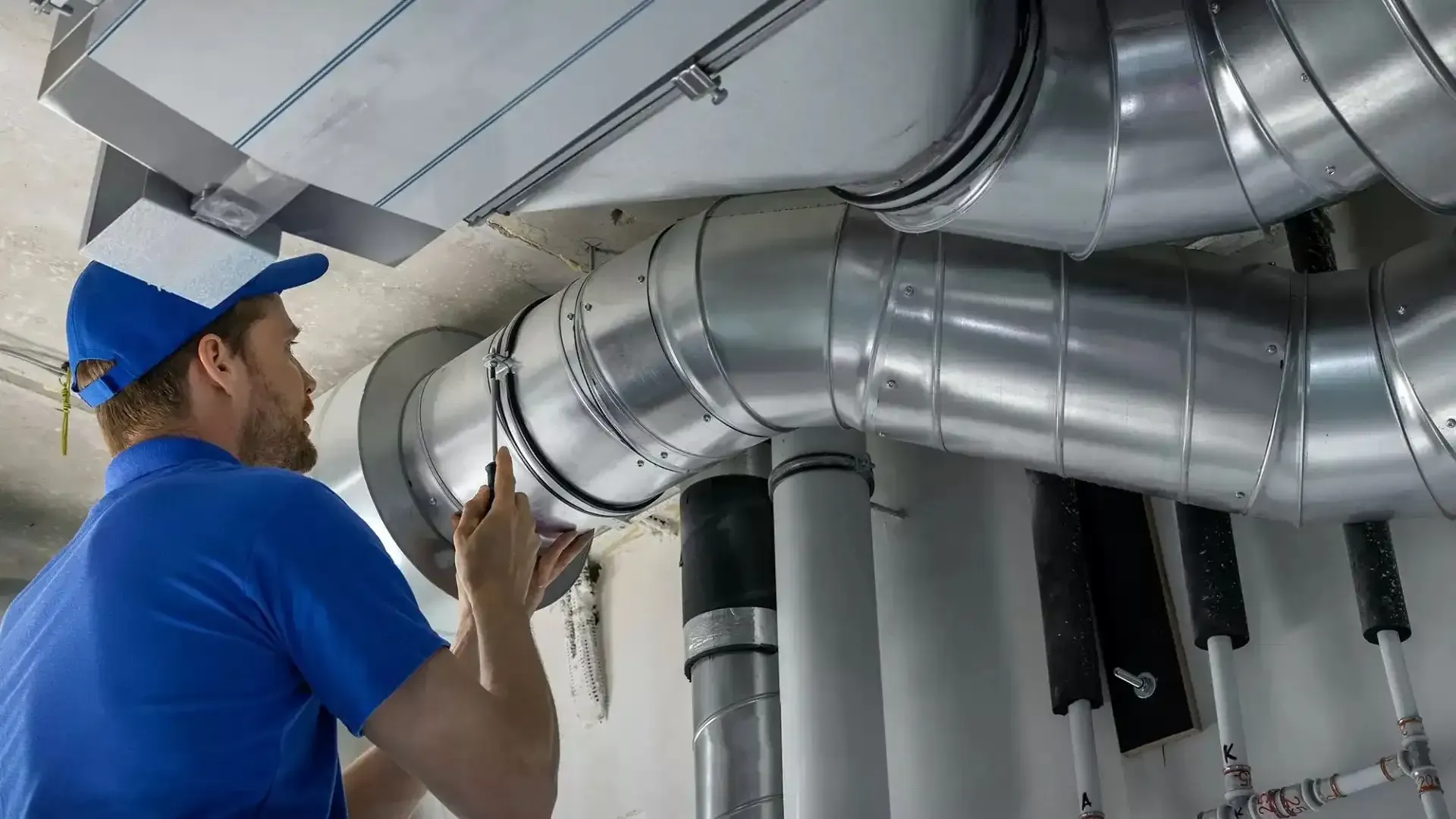
When Your AC Blower Motor Quits in Whitewright, You Feel It Fast
Livestock Air and What It Does to Your AC Filter
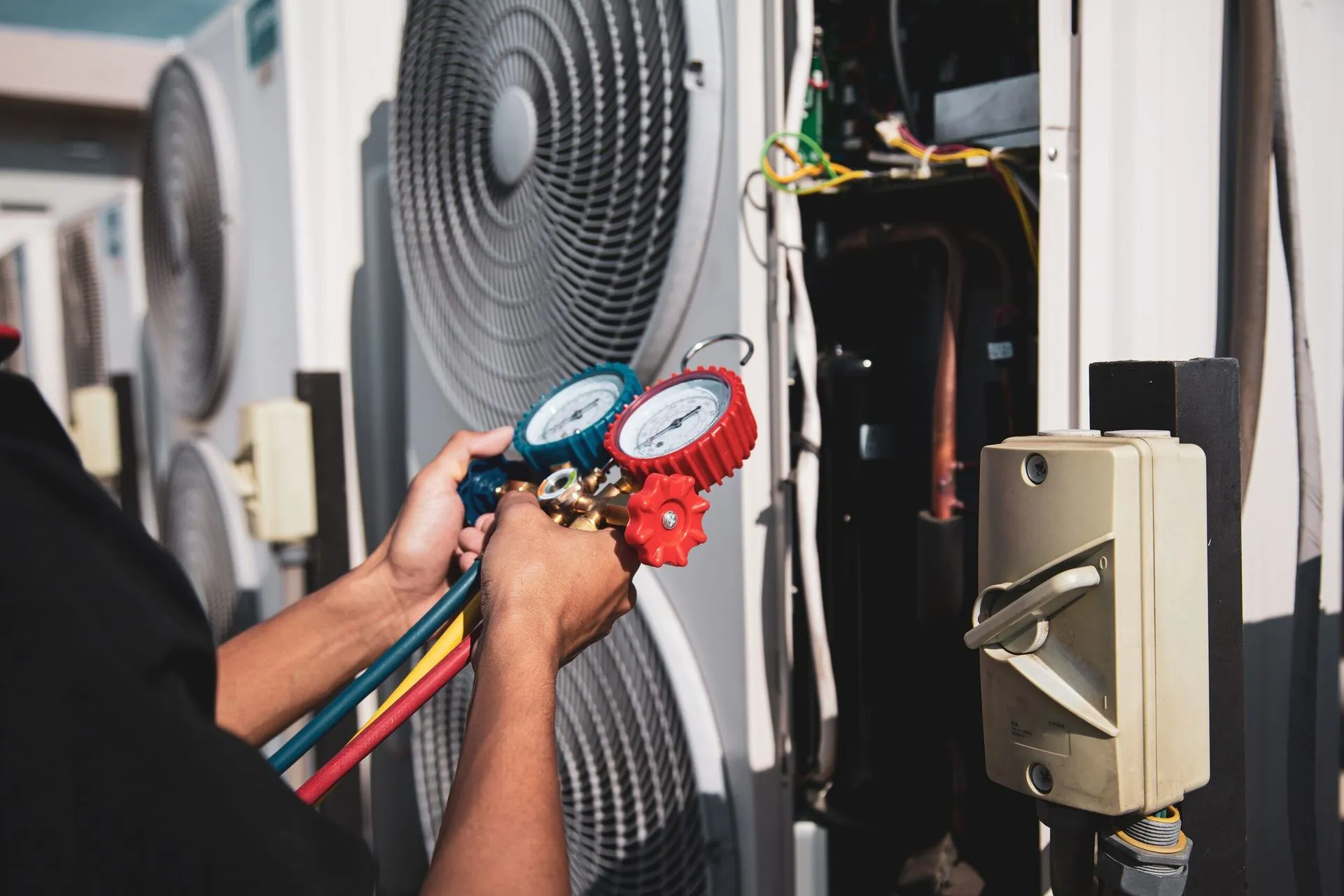
AC Compressor Repair in Open Grayson County Heat
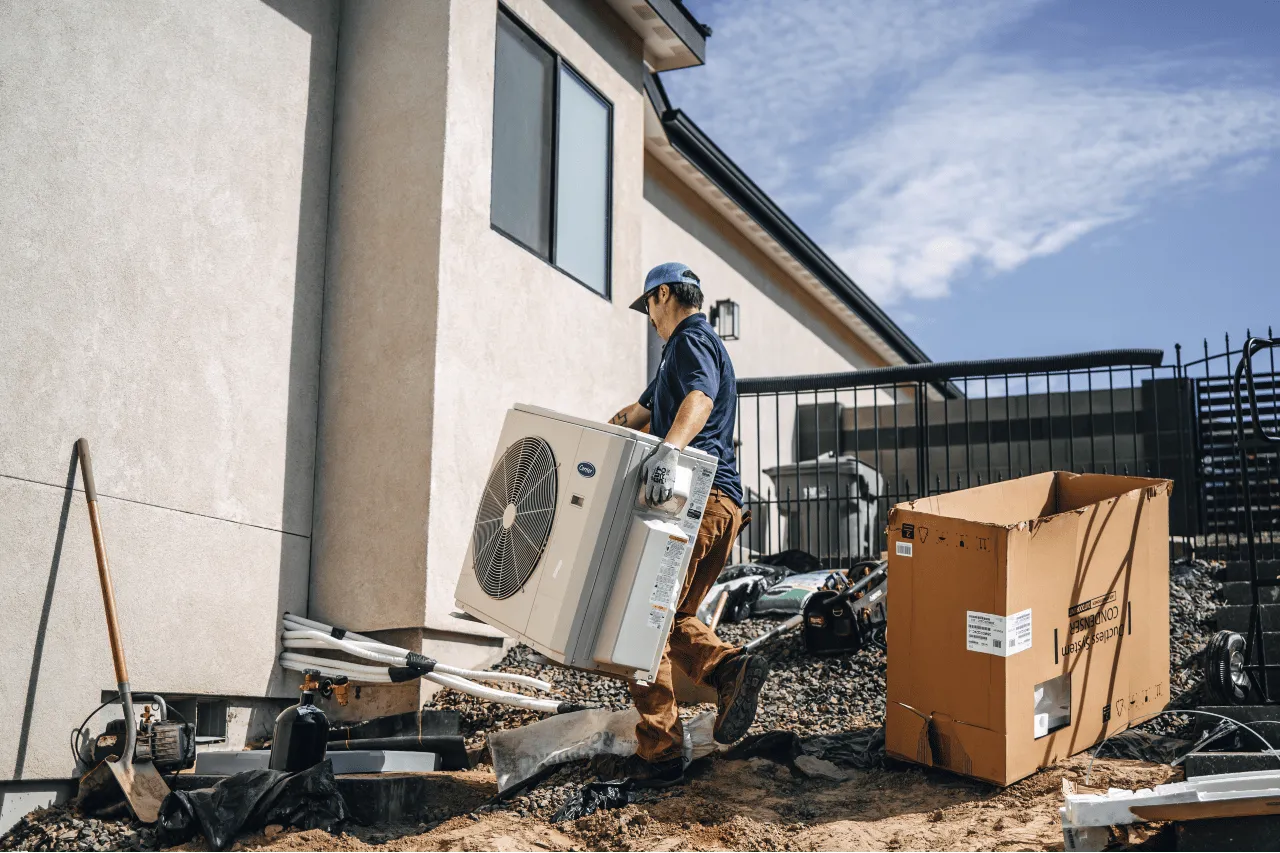
Fan Motor and Condenser Repair Near Open Range Properties
Refrigerant Leaks: What They Cost a Working Family
Same Day AC Repair for Whitewright's Working Families
-475h.Bq-xILRy_Z2cMJ3.webp)
Central Air Conditioning Repair for Whitewright Homes
AC Contactor Repair in a High-Particulate Environment
Ductless Mini Split and Commercial AC Repair in Whitewright
When You Search AC Repair Near Me in Whitewright: Call Andrew Smith HVAC
Questions We Get Asked
Can animal dander from nearby livestock actually damage my AC system?
It can, and it does. Animal dander and fine particulate from livestock operations get pulled into your system through both the outdoor condenser and the indoor return air. Inside the air handler, that material coats the blower motor, the coil, and the electrical components in ways that accelerate wear. Outside, it packs into condenser fins and reduces the unit's ability to reject heat. It's not catastrophic in the short term, but over a few seasons without proper maintenance, it adds up to real damage. More frequent filter changes, annual condenser cleaning, and periodic blower cleaning go a long way.
Do you repair mini split systems in equine or livestock facilities?
Yes, and it's something we do regularly in the Whitewright area. Mini splits are one of the better solutions for equine facilities and equipment buildings where ductwork isn't practical. We service all major brands, handle refrigerant leaks, compressor issues, and electrical failures, and we're comfortable working in the kind of environments that come with agricultural properties. If it's keeping your barn, stable, or facility cool, we can work on it.
How often should I change my AC filter if I live near livestock operations?
A lot more often than you probably are now. The standard 90-day recommendation is built around average household conditions — moderate dust, normal particulate load, nothing unusual in the air. Near livestock operations, you're well outside those averages. We generally recommend checking the filter every three to four weeks and replacing it when it shows significant loading, which on some Whitewright properties happens before the month is out. The cost of filters is nothing compared to the cost of a blower motor or evaporator coil replacement that a clogged filter helped cause.